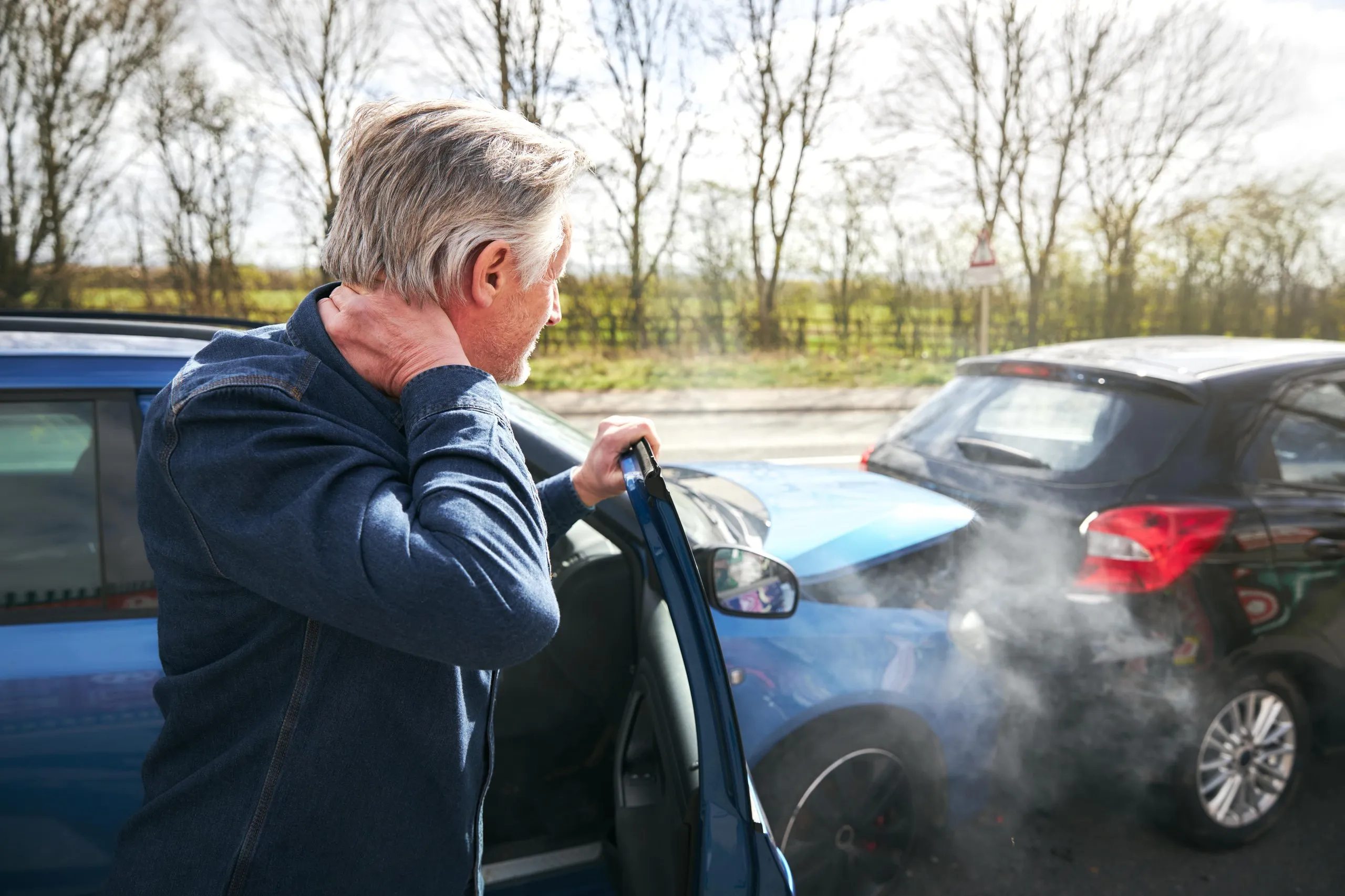
If you’ve lived in Milwaukee long enough, you know how quickly the roads can change. One minute traffic is moving normally. The next, a light snowfall turns into slick intersections, black ice on bridges, and cars sliding through stop signs.

It was icy… so is anyone really at fault?

The short answer is yes, sometimes. Ice makes driving harder. It does not erase responsibility.

How Liability Works in Winter Accidents

In Milwaukee and throughout Wisconsin, liability in a car accident is based on negligence. That means the question is whether someone failed to drive with reasonable care under the conditions.

  • Winter weather does not excuse unsafe driving. In fact, it requires more caution.
  • Drivers have a duty to adjust to road conditions. That may mean:
  • Slowing down below the posted speed limit
  • Leaving extra space between vehicles
  • Braking gradually instead of suddenly
  • Making sure tires and brakes are in good condition
  • Avoiding distractions when roads are slick

If a driver fails to adapt and causes a crash, icy roads do not protect them from liability.

Common Causes of Winter Accidents

When we review winter crash cases in Milwaukee, Madison, Appleton, and Green Bay, certain patterns show up repeatedly:

  • Driving too fast for snowy or icy conditions
  • Following too closely and sliding into another vehicle
  • Failing to clear windows properly, limiting visibility
  • Worn tires that reduce traction
  • Distracted driving during already dangerous weather

What If Both Drivers Share Fault?

Wisconsin follows a modified comparative negligence rule. This means you can still recover damages as long as you are not more than 50 percent at fault. If you are found 20 percent responsible, for example, your compensation would be reduced by that percentage.

Winter crashes often involve shared fault arguments. One driver may say the other stopped suddenly. The other may argue someone was driving too fast. Sorting that out requires a close look at police reports, vehicle damage, witness statements, and weather conditions at the time of the crash. These cases are rarely as simple as “it was just icy.”

What About the City or Road Conditions?

Some people wonder whether the city is responsible for failing to clear roads quickly enough. Government liability is much more limited and involves special legal rules and deadlines. Most winter accident claims focus on driver behavior rather than snow removal itself.

The real issue is usually whether someone drove in a way that was unsafe for the conditions that day.

How Natasha Misra Law Helps After a Winter Crash

Winter accident claims can quickly become complicated. Insurance companies often lean on the weather as a defense. They may argue the crash was unavoidable. They may try to shift blame onto you. At Natasha Misra Law, we look beyond the surface, our team:

  • Reviews crash reports carefully
  • Analyzes weather timing and road conditions
  • Examines vehicle damage patterns
  • Protects you from unfair fault assignments
  • Handles communication with insurers so you do not have to

Natasha stays personally involved in car accident cases, supported by a highly experienced team that understands how Wisconsin insurers approach winter crashes. We also offer interpretation services, including Spanish, Burmese, and Rohingya, so every client can fully understand their rights and options.

Our goal is not just to file a claim. It is to make sure the weather is not used as an excuse to undervalue what happened to you.

Talk to a Wisconsin Car Accident Lawyer About Your Winter Crash

If you were injured in a winter driving accident in Milwaukee, Madison, Appleton, or Green Bay, do not assume the ice automatically means no one is responsible.

Call us today or fill out our form for a free consultation.

Natasha Misra Law is here to review what happened, explain where you stand, and help you pursue the compensation you deserve.

Cycling is an excellent option for exercising, enjoying the fresh air, and commuting. However, bicycle accidents can cause severe injuries to cyclists hit by negligent drivers. 

What are Wisconsin's Bicycle Safety Rules?

As you ride your bike in Appleton, Milwaukee, Madison, Green Bay, or any other area in Wisconsin, follow the following bicycle safety rules:

  • Wear your helmet: 70 to 80 percent of bicycle accidents involve head injuries. Wearing helmets minimizes the possibility of sustaining head injuries. Always check for a Consumer Product Safety Committee sticker before purchasing a helmet.
  • Go with the Flow: Cyclists should ride in the same direction as traffic, and by doing so, you'll be more visible, allowing other road users to respond appropriately and quickly. When cycling against traffic, you may miss the red and green lights or enter an intersection at an unsafe or improper time.
  • Be Spatially Aware: Ride in a straight line without going off course and maintain at least 3 feet from parked vehicles to avoid "dooring accidents."
  • Obey Traffic Laws: Even though you’re on a bike, you still have to obey the rules of the road. Don’t forget to stop at stop signs, signal when you’re turning, and always make sure you’re alert and aware of your surroundings. 
  • Stay Visible: When riding a bike a night you’re even less likely to be seen by motorists. To make sure you’re as noticeable as possible, use a reflector when riding at night. 

Why is Bicycle Safety Important?

Although riding a bike may be fun, you can pick up serious injuries from a bike accident. Bike safety helps to make cycling enjoyable. Simple bicycle safety measures like wearing a helmet can reduce a significant proportion of bicycle accident fatalities.

Common Causes of Bike Accidents

Several factors contribute to bicycle accidents in Wisconsin. Bicycles are not easy to see, and most riders are unfamiliar with road laws. However, even if road users are unfamiliar with road laws, it should not be used as an excuse. Here are some of the causes of bike accidents:

  • Dangerous Roads: Unkempt roads cause 3% of bicycle accidents in the United States.
  • Low Visibility: Bikes are small, and most drivers may be unable to see them, particularly at night. 
  • Distracted Driving: When drivers and riders use their phones or get distracted by other passengers, music, or thoughts, they may end up causing accidents.
  • Failure to Yield: Right of way in crossing paths or where traffic merges can help prevent accidents. A bike accident is more likely to occur when a motorist fails to yield to a rider in a crosswalk or bike lane.

Bike Safety Tips

  • Plan your route
  • Pay attention
  • Obey traffic signs
  • Tie your shoelaces
  • Avoid using your phone or listening to music while cycling
  • Anticipate what other motorists may do and act appropriately
  • Use the right-hand signals
  • Ensure all parts of the bike are working
  • Have rear and front lights during the day or at night

Contact a Wisconsin Bike Accident Attorney

At Natasha Misra Law, we want you and your loved ones to remain safe on the roads. However, we're ready to offer legal support if you get involved in an unexpected bicycle accident

Contact us today to learn more about how we can help you get treated fairly.

Natasha Misra

My law practice is dedicated to helping people who have suffered injuries in accidents which were not their fault. Born and raised in Milwaukee, I come from a family of medical professionals. My background and experience help me understand and represent individuals injured in accidents.